Transform Your Backyard: The Complete Guide to Impressive Pool Transformation Ideas
Converting a outdoor space into a beautiful retreat requires thorough design and planning. A pool renovation can enhance both aesthetics and functionality. By assessing existing features and exploring modern design ideas, property owners can create a space that meets their needs. However, the journey requires more than just selecting tiles and water features. Knowing the critical stages and common challenges is essential for a complete renovation. Which key choices need to be considered to accomplish the planned vision?
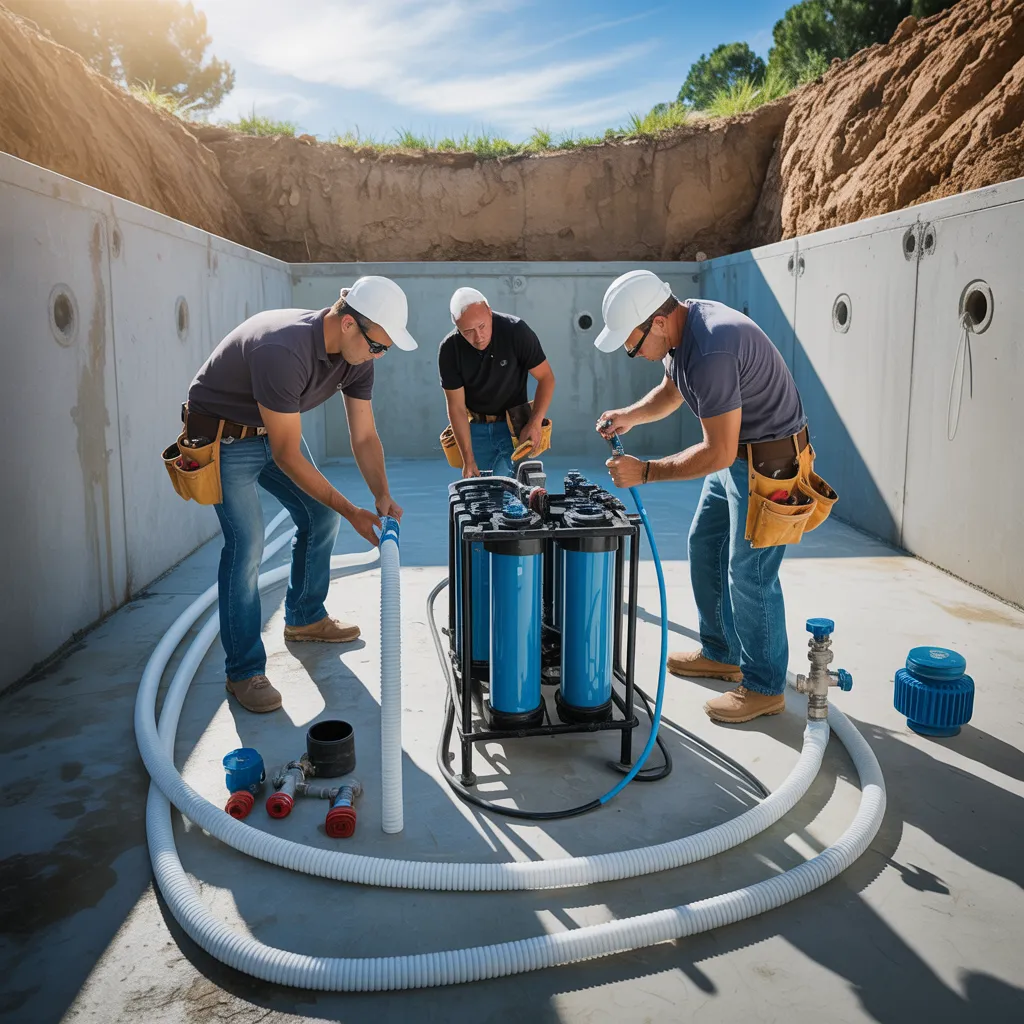
Key Steps for a Successful Pool Renovation
Completing a successful pool renovation requires careful planning and execution. The primary step consists of setting a clear budget, which helps determine the scope of the project and informs key decisions. Next, homeowners should assess their current pool and surrounding landscape to determine which areas need attention. This assessment frequently results in the creation of a comprehensive design plan that corresponds with individual preferences and lifestyle demands.
Engaging a skilled contractor is essential, read the full story as their expertise can facilitate the remodeling process and ensure compliance with local regulations. Acquiring essential permits is another crucial element that deserves careful attention. Moreover, selecting the right materials and design finishes will greatly impact the overall aesthetic and longevity of the remodeling project.
Ultimately, creating a attainable schedule for completion assists in managing projections, guaranteeing that property owners can take pleasure in their transformed area without excessive delays. By means of careful application of these measures, a remarkable pool transformation can be achieved.
Picking the Ideal Features for Your Pool
How does one determine the ideal features to improve a pool's performance and attractiveness? The selection process begins with assessing the intended use of the pool. For households with children, precautionary additions including non-slip surfaces and shallow areas tend to take precedence. For social gatherings, water slides, swim-up bars, or built-in seating can enhance the overall experience.
Furthermore, it is important to consider decorative aspects, such as lighting and landscaping, which can create a serene ambiance. Elements such as fountains or waterfalls not only enhance visual appeal but also bring in relaxing audio elements.
In addition, practical considerations such as eco-friendly heating systems and automated cleaning devices increase efficiency and environmental sustainability.
In the end, coordinating the chosen features with personal lifestyle preferences and the surrounding landscape is essential. This careful method confirms that the pool becomes a treasured highlight, integrating naturally with the yard while serving its intended purpose effectively.
Planning Your Pool Remodel Budget
Planning a budget for a pool renovation demands thoughtful evaluation of several important elements. Property owners ought to start by establishing firm budget boundaries and concentrating on necessary enhancements to optimize their investment. Additionally, exploring various financing options may assist in achieving the planned improvements without monetary stress.
Configuring Your Budget Limits
Setting a budget for a pool remodel is essential for ensuring the project remains financially viable. Property owners should start by reviewing their existing financial circumstances and identifying how much they can realistically dedicate to the remodel. It is recommended to account for not just direct costs, including materials and labor, but also indirect expenses, such as permits and possible landscaping adjustments. Investigating typical costs in the local market can offer useful guidance and assist in setting realistic expectations. Furthermore, homeowners should think about reserving a contingency fund for unforeseen costs that could emerge during the renovation. By setting clear budget limits, individuals can effectively manage their resources while still achieving their desired pool transformation.
Addressing Critical Upgrades
During the planning of a pool remodel , homeowners should prioritize essential upgrades to guarantee the most impactful changes are made within their budget. Key elements like resurfacing the pool interior, updating the filtration system, and enhancing safety features should take precedence. Resurfacing enhances not just the appearance but also prolongs the pool's durability. An updated filtration system ensures water clarity, lowering upkeep expenses over time. Additionally, incorporating safety measures, such as non-slip surfaces and proper fencing, is vital for family safety. Homeowners should evaluate their current setup and identify areas that require immediate attention, allowing them to allocate funds effectively. By emphasizing these key enhancements, they can establish an appealing and efficient pool environment without stretching their finances.
Exploring Financing Options
How do homeowners successfully manage financing for their pool remodel without exceeding their budget? The first step involves establishing a thorough budget that accounts for all possible costs, including materials, labor, and contingency expenses. Additionally, considering financing solutions like personal loans, home equity lines of credit, or dedicated pool financing programs can supply the required capital. In addition, a number of contractors extend financing programs designed to keep monthly payment obligations reasonable. Another option for homeowners is to gradually accumulate savings by reserving a share of their income on a regular basis. Lastly, looking into available grants or incentives for energy-efficient improvements can help reduce the overall financial burden. Through careful evaluation of these alternatives, homeowners can arrive at well-informed choices that suit their financial situation while realizing their ideal pool.
Popular Design Trends for Pool Remodeling
Contemporary design trends in pool remodeling highlight modern minimalist styles, focusing on clean lines and simplicity. Furthermore, environmentally conscious features are becoming increasingly sought after, promoting sustainability while enhancing the overall experience. Intelligent technology incorporation also serves a significant purpose, delivering homeowners state-of-the-art tools for ease of use and reduced energy consumption.
Modern Minimalist Aesthetics
As homeowners look to establish serene outdoor spaces, contemporary minimalist designs have become a dominant trend in pool remodeling. This approach emphasizes elegance and purpose, focusing on clean lines and open spaces that foster a sense of tranquility. Swimming pools crafted with minimalist principles frequently incorporate angular forms and subdued tones, enabling them to integrate effortlessly with their environment. Elements like natural stone, concrete, and glass are preferred for their sleek appearance and durability. Integrating delicate landscaping touches, including minimal greenery, enhances the overall design without overwhelming the space. By prioritizing quality over quantity, contemporary minimalist pool styles establish a welcoming environment that inspires comfort and pleasure, establishing them as a preferred selection for today's homeowners.
Eco-Friendly Pool Features
Given the growing focus on sustainability, green pool features are rising as a significant trend in backyard remodeling. These features prioritize environmental responsibility while enhancing aesthetic appeal. Natural filtration systems, for example, utilize plants and gravel to maintain water clarity, reducing reliance on chemicals. Additionally, solar heating panels are gaining popularity, allowing pool owners to harness renewable energy for temperature regulation. Incorporating recycled materials in pool construction, such as reclaimed stone or glass tiles, further supports eco-friendly initiatives. Beyond that, energy-efficient pumps and LED lighting both cut energy consumption and reduce environmental impact. At their core, these cutting-edge designs embody a devotion to sustainability, delivering an attractive and environmentally responsible choice for today's pool owners.
Smart Technology Integration
Growing numbers of homeowners are incorporating smart technology integration in their swimming pool upgrade projects. This shift boosts convenience and efficiency, allowing for effortless management of various pool functions. Automated thermostats assist in maintaining ideal water temperatures, while programmable lighting setups generate ambiance and improve safety during nighttime use. Furthermore, sophisticated filtration units featuring built-in sensors assess water cleanliness, guaranteeing a clean and healthy swimming space with little hands-on maintenance required.
Remote access via smartphones or tablets enables users to modify settings, get notifications, and even trigger features such as heating or cleaning when not at home. Additionally, compatibility with home automation systems facilitates seamless operation alongside other smart devices, enhancing the complete outdoor experience. In summary, smart technology is converting pools into elegant, effortless sanctuaries.
Combining Landscaping With Your Pool
Incorporating landscaping with a pool can convert a standard backyard into a peaceful sanctuary, enhancing both aesthetic appeal and functionality. Thoughtful landscaping harmonizes with the pool's design, creating a cohesive look. Native plants, for instance, require less maintenance and thrive in local climates, introducing vibrant hues and rich texture to the pool surroundings.
Strategically placed trees can create shade, enhancing comfort while lounging while also increasing seclusion. Incorporating features like natural stone paths or ornamental rocks can direct the gaze and promote discovery throughout the area.
Aquatic features, such as decorative fountains or waterfalls, not only elevate the auditory experience but also cultivate a serene atmosphere. Moreover, the strategic placement of outdoor lighting enhances the pool and surrounding landscape, allowing for extended enjoyment into the evening. In the end, combining thoughtful landscaping with a pool not only enhances the overall aesthetic appeal but also maximizes the enjoyment and practicality of the backyard sanctuary.
Maintenance Considerations for Your Remodeled Pool
Caring for a remodeled pool calls for careful attention to multiple considerations to preserve its lifespan and attractive appearance. Frequent cleaning is critical, as debris can accumulate and affect both water clarity and visual appeal. A regular routine of skimming, vacuuming, and brushing the pool surfaces works to prevent algae growth and sustains crystal-clear water.
Water chemistry plays another vital role; monitoring pH, chlorine, and alkalinity levels each week provides a safe and healthy swimming environment. In addition, the filtration system must be routinely inspected and cleaned to achieve peak efficiency.
Periodic seasonal care, including winterizing throughout colder months, is vital for preserving the pool structure and equipment. Checking tiles, coping, and surfaces for cracks or signs of wear can reduce the risk of costly repairs in the future.
Moreover, the landscaping surrounding the pool should be handled to reduce debris buildup and ensure proper drainage, guaranteeing that the space remains welcoming and secure for all who enjoy it. Consistent maintenance not only elevates the enjoyment but also safeguards the financial investment of a pool remodel.
Common Questions and Answers
What Is the Typical Duration of a Pool Remodel?
A standard pool renovation requires roughly two to six weeks, influenced by the complexity of the project, prevailing weather conditions, and contractor availability. Homeowners are advised to expect potential setbacks due to unexpected complications during the renovation process.
Can an Above-Ground Pool Be Remodeled?
Yes, above-ground pools can be remodeled. Property owners frequently boost the visual appeal of their pools by introducing decks, garden features, or modern liners, while structural upgrades might consist of strengthening walls or altering height. Proper planning secures a seamless transformation.
What Permits Do You Need for Pool Remodeling?
To remodel a pool, individuals usually must obtain permits related to plumbing, electrical work, and construction. Regional requirements vary, so speaking with the local building department is essential to guarantee conformity with all applicable codes.
What Is the Best Way to Choose a Dependable Contractor?
To select a dependable contractor, it is advisable to seek referrals, review online feedback, verify licenses and insurance, interview multiple candidates, and request detailed estimates. Reliability and clear communication during early discussions can further reflect their professional standards and trustworthiness.
What Types of Warranties Are Expected on Pool Renovations?
Property owners should look for warranties covering equipment, structural integrity, and materials for pool renovations. Typically, these warranties range from one year to ten years, based on the contractor and the specific components included in the renovation.